


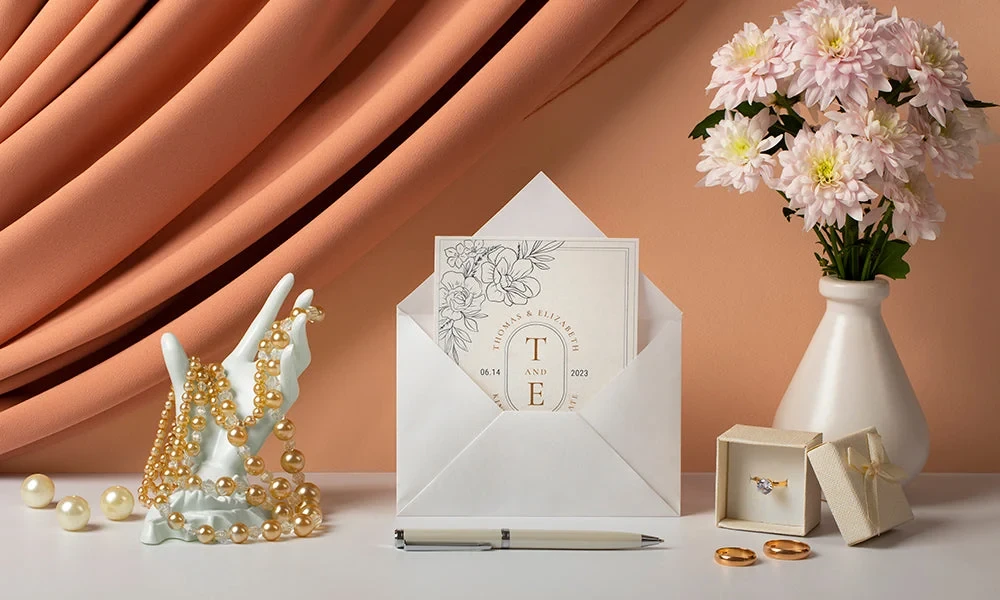


Wedding invitations represent far more than simple announcements conveying event dates and locations. These formal communications set wedding tone, communicate couple personality, establish guest expectations, and provide critical logistical information determining event success. Thoughtful invitation wording influences guest response rates, attire choices, and overall event experience. Understanding invitation roles and crafting appropriate wording helps couples create first formal impressions defining their celebrations.
The Critical Role of Wedding Invitations
Wedding invitations serve as official event announcements carrying legal and social weight. Unlike casual communications, formal invitations represent binding social contracts obligating guests to respond and commit to attendance. Invitations transition weddings from personal knowledge to formal social events requiring structured planning and guest management.
Invitations communicate event formality and tone establishing guest expectations before celebrations begin. Formal wording suggests elegant ceremonies and refined celebrations. Casual wording signals relaxed gatherings emphasizing fun and informality. Guests reading invitations immediately understand celebration expectations, guiding attire selection, gift choices, and behavioral preparation.
Invitations demonstrate couple respect for guests’ time and attention. Thoughtfully worded invitations convey appreciation for guest participation in significant life celebrations. Couples investing care in invitation wording communicate that guest attendance matters and contributions to celebrations are valued.
Invitations create lasting keepsakes guests preserve throughout their lives. Unlike digital announcements quickly deleted, quality invitations remain displayed or stored in memory boxes. Invitations become physical reminders of celebrations, relationships, and shared moments. Well-crafted invitations become treasured mementos couples’ children and future generations may appreciate.
Traditional Invitation Wording
Formal wedding invitations follow established conventions dating centuries. Traditional wording maintains timeless elegance conveying sophistication and respect for social customs. Phrases like “request the honour of your presence” remain standard formal constructions indicating bride and groom’s families formally invite guests.
Traditional invitations include specific information in established formats. Names, dates, times, locations, and attire guidance appear in consistent formats guests recognize immediately. Consistency creates professional appearance while tradition communicates formality and reverence for wedding ceremonies.
Formal wording typically maintains third-person voice rather than first-person statements. Invitations state “Together with their parents request the honour” rather than “We invite you.” Third-person constructions maintain formal distance conveying gravity and social significance of occasions.
Modern Invitation Adaptations
Contemporary couples frequently adapt traditional wording reflecting personal styles while maintaining formality. Modern invitations may include couple names upfront or first-person language creating accessible tone. Creative wording remains formal but less restrictive than strict Victorian conventions.
Modern invitations increasingly reflect diverse family structures and celebrations. Invitations accommodate blended families, LGBTQ unions, and non-traditional celebrations. Flexible wording includes all relevant parties while maintaining formality and clarity. Modern invitations balance tradition with authenticity reflecting contemporary relationships and celebrations.
Casual invitations deliberately abandon formal conventions signaling relaxed celebration environments. Casual wording uses contemporary language, humor, and informal structures. Casual invitations remain professional and clear but emphasize fun and personality over tradition and formality.
Essential Wording Elements
Wedding invitations must include specific information guests need for attendance. Date, time, and complete venue address must appear clearly. Incomplete information prevents guest attendance and creates frustration. All essential details should use clear, easily readable language preventing confusion.
RSVP information requires prominent placement and clear instructions. Invitations must specify response deadlines, contact methods, and response formats. Confused guests may not respond properly, preventing accurate head counts and catering arrangements. Clear RSVP instructions increase response rates and simplify event planning.
Attire guidance influences guest appearance and event aesthetic. Formal invitations should specify “black tie,” “cocktail attire,” or “informal dress” guiding guest clothing choices. Ambiguous attire guidance creates guest uncertainty and potentially inappropriate clothing selections affecting wedding photos and celebration aesthetics.
Dietary restrictions requests must appear on invitations or enclosed cards. Requesting dietary information enables couples to accommodate guest needs avoiding meals guests cannot eat. Clear dietary requests prevent food waste and ensure all guests enjoy appropriate meal options.
Tone and Personality in Wording
Invitation wording reflects couple personalities and celebration styles. Formal, elegant wording suggests sophisticated, refined celebrations. Playful wording signals fun, relaxed gatherings emphasizing enjoyment. Poetic wording emphasizes romance and emotional significance of unions. Couples should select wording reflecting authentic celebration visions rather than forcing styles feeling false.
Personal stories or significant quotes incorporated into invitations create memorable communications. Couples sharing meaningful phrases from their relationships or cherished authors add emotional depth beyond functional logistics. Personal wording helps guests understand couple connections and celebration significance.
Humor in invitations works effectively when genuinely reflecting couple personalities. Witty invitations charming to some guests may offend others unfamiliar with couple humor. Couples using humor should ensure invitations remain respectful and unlikely to create negative impressions.
Clarity and Accessibility
Clear wording prevents guest confusion affecting event success. Ambiguous dates, unclear locations, or confusing instructions frustrate guests and reduce attendance. Wedding invitations must prioritize clarity ensuring guests clearly understand all essential information.
Simple language serves all guests effectively. Elaborate vocabulary or complex sentences confuse readers and obscure important details. Clear, direct language ensures all guests understand invitation contents regardless of educational backgrounds or reading abilities.
Proper grammar and spelling demonstrate respect for guests. Invitations containing errors communicate carelessness and lack of attention to detail. Professional proofreading ensures invitations reflect couple care and professionalism.
Addressing Guests
Guest addressing influences first impressions and perceived respect. Properly spelling guest names shows attention to detail and recognition of individual importance. Incorrect name spelling or titles communicate disrespect potentially affecting guest relationships.
Formal invitations use proper titles and formal names. Mr., Mrs., Ms., and other formal designations appear on formal invitations. Contemporary invitations increasingly omit titles as formality expectations decrease, though formal events typically maintain traditional addressing conventions.
Conclusion
Wedding invitations play fundamental roles communicating event information while establishing celebration tone and demonstrating couple respect for guests. Thoughtful wording choices balance formality with personality, clarity with creativity, and tradition with authenticity. Couples investing care in invitation composition craft meaningful communications setting positive first impressions for celebrations. Well-worded invitations become lasting reminders of significant life events, preserving memories and relationships throughout guests’ lives. Invitation wording deserves careful attention and consideration reflecting celebration importance and couple commitment to meaningful celebrations honoring relationships and shared communities.