


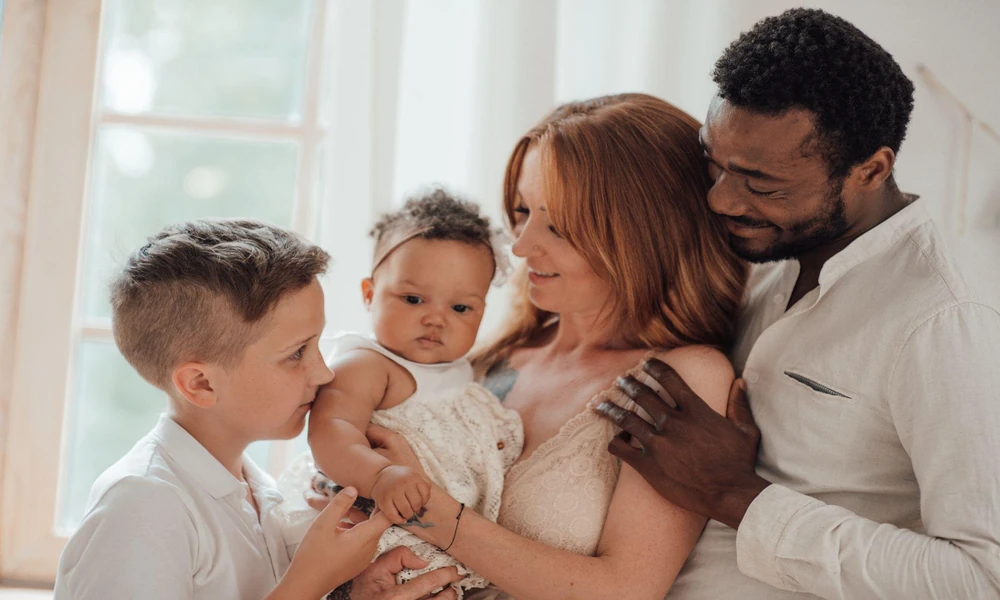

Can par coaching strengthen your relationship?
Yes, par coaching helps couples set shared goals, resolve disagreements and build a relationship that reflects both partners’ values.
You want to plan for the future, but your partner avoids making decisions.
You talk about money, family or work, and somehow end up arguing.
You both want a happy relationship, yet your daily choices pull you in different directions.
One of you pushes for answers while the other withdraws.
Later, you act as though nothing happened, but the frustration remains.
You still care about each other, but you are struggling to move forward as a team.
Why Couples Get Stuck in the Same Arguments
Relationship problems often begin with small differences that gradually become bigger disagreements. One partner wants financial security, while the other values freedom and new experiences. One prefers discussing problems immediately, while the other needs time to process emotions.
Neither approach is necessarily wrong. However, when couples stop trying to understand each other, these differences can become a source of ongoing tension.
Consider a couple who disagree about buying a house. One wants to save every spare pound towards a deposit. The other believes they should enjoy their money while they can.
The discussion quickly becomes personal. One partner accuses the other of being irresponsible, while the other feels controlled. Instead of planning their future, they spend their time defending themselves.
This pattern can appear in many areas of a relationship. Couples may argue about parenting, household responsibilities, career choices or how much time they should spend together.
The real difficulty is often not the disagreement itself. It is the inability to discuss different needs without feeling criticised or dismissed.
The Important Shift: Start Working Towards the Same Goal
A stronger relationship does not require two people to agree on everything. It requires them to understand what matters to each other and find ways to make decisions together.
This is where par coaching can make a difference. It helps couples move beyond individual demands and explore the needs, values and expectations behind them.
Instead of asking, “Why won’t my partner agree with me?”, try asking, “What are we both trying to achieve, and how can we work towards it together?”
For example, the couple saving for a house might discover that both want financial stability and enjoyable experiences. Their priorities are not entirely different; they simply have different ideas about balancing them.
Once they recognise their shared interests, they can discuss a realistic savings plan that leaves room for occasional holidays or activities.
The same principle applies to emotional disagreements. One partner may want more time together, while the other needs personal space. A workable solution should recognise both needs rather than treating one as more important.
The aim is not to eliminate differences. It is to stop those differences from becoming a constant battle.
Three Areas to Focus on as a Couple
1. Set Goals You Both Believe In
A shared goal should reflect what both partners genuinely want, rather than one person’s expectations.
Talk about what you want your relationship to look like over the next year. You might discuss finances, family life, personal ambitions or spending more meaningful time together.
Choose one priority and make it specific. Instead of saying, “We need to communicate better”, agree to set aside twenty minutes each week to discuss important decisions without distractions.
Small, realistic goals are easier to maintain than ambitious promises that neither partner has time to fulfil.
2. Understand What Is Behind Your Conflicts
Repeated arguments often involve more than the immediate issue.
A disagreement about household chores may reflect a feeling of unfairness. An argument about social plans might reveal a difference in how each partner experiences connection and independence.
When a disagreement arises, ask your partner what concerns them most. Listen to the answer before explaining your own position.
You can acknowledge your partner’s feelings without agreeing with every point they make. This helps both people feel heard and makes it easier to find a practical solution.
3. Identify the Values That Matter Most
Values influence how couples make decisions and treat each other. These might include honesty, family, loyalty, independence, respect or financial security.
Discuss the values you want your relationship to reflect. Then consider what they look like in everyday life.
If respect is important to both of you, agree on how you will handle disagreements. If family matters deeply, discuss how you will balance family commitments with your time together.
You may discover that you share the same values but express them differently. Understanding these differences can prevent unnecessary misunderstandings.
A Simple Exercise to Try This Week
You do not need to solve every relationship problem at once. Start with one calm conversation and use these four questions:
- What is working well? Identify something you appreciate about your relationship.
- What needs to change? Choose one difficulty you would both like to improve.
- What matters to each of us? Explain your needs and listen to your partner’s perspective.
- What can we do differently this week? Agree on one practical action you can both commit to.
Keep the conversation focused on one issue. If emotions become too intense, take a break and agree on when to continue.
The purpose is to develop a habit of working together, rather than waiting until frustration builds into another argument.
When Can Par Coaching Help?
Some couples can make progress by changing their communication habits and setting clearer expectations. Others find that familiar disagreements continue despite their best efforts.
Par coaching may help when partners struggle to agree on future plans, repeatedly misunderstand each other or feel uncertain about their shared priorities.
A coach can guide conversations, help identify unhelpful patterns and support couples in turning broad intentions into practical steps.
Coaching is not about deciding who is right. It is about helping both partners understand their differences, communicate more constructively and take responsibility for their part in the relationship.
However, meaningful progress requires willingness from both people. A coach can provide guidance, but each partner must decide whether they are prepared to listen, reflect and make changes.
Where a relationship involves abuse, coercive control or fear for personal safety, joint coaching may not be appropriate. Specialist individual support should be considered instead.
Build a Future That Makes Room for Both of You
You do not have to share every ambition, preference or opinion to have a strong relationship. What matters is whether you can respect your differences while making important decisions together.
Sometimes, the first step is agreeing on a financial priority. At other times, it is learning to listen without becoming defensive or making space for each other’s individual needs.
These changes may seem small, but they can gradually transform the way you approach difficult conversations and future decisions.
For couples exploring par coaching, the goal is to create a relationship with greater understanding, clearer shared goals and a stronger sense of partnership.
You may not resolve every disagreement immediately, and your priorities may change over time. That is a normal part of building a life together.
What matters is continuing to ask questions, communicate honestly and find solutions that respect both partners. With mutual effort and a willingness to grow, you can move beyond recurring conflict and begin creating a future that feels meaningful to you both.