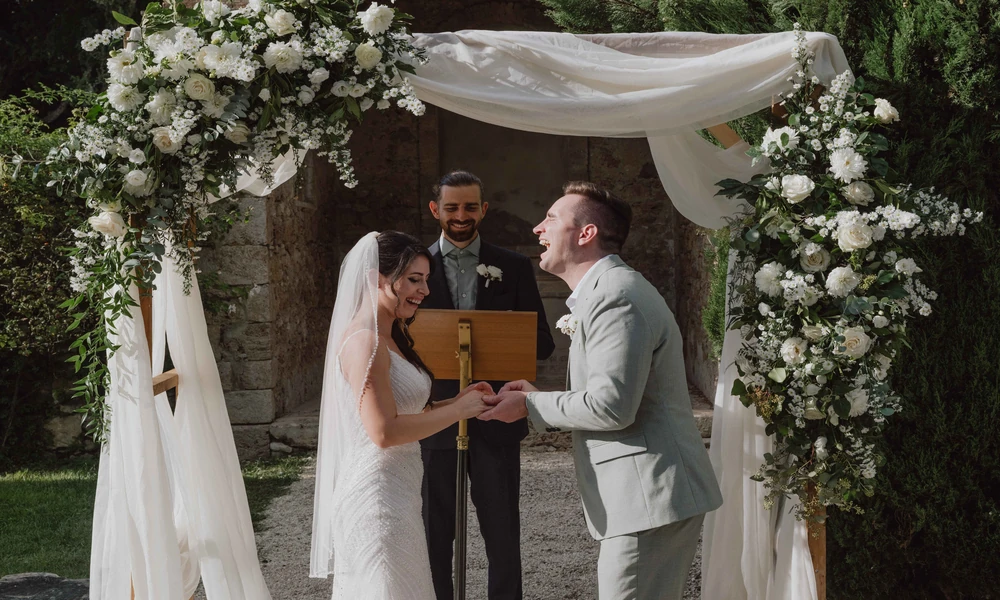
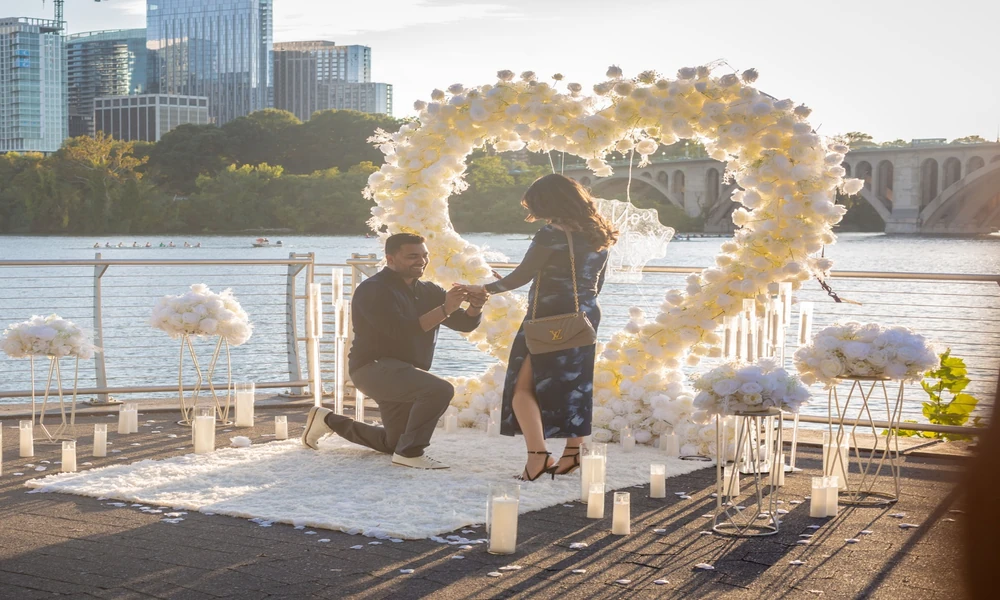



A ceremony in the garden and dinner under the stars can feel like one continuous story when the transitions are planned well. This guide looks at the decisions that make the experience practical, distinctive and enjoyable for international couples and their guests. Rather than offering a fixed formula, it considers the trade-offs that matter when planning in Umbria and elsewhere in Italy. The aim is to make choices based on the real setting, the season and the people attending.
A day with different moods
An outdoor wedding can move through several atmospheres without changing venue: a shaded ceremony, a relaxed aperitivo and a candlelit dinner. That progression is appealing, but each transition needs careful timing. Map the route guests will follow and ask how staff will prepare the next space without interrupting the event. A short pause between activities can feel pleasant; a long wait without seating or refreshments usually does not.
Choose the ceremony position thoughtfully
The most scenic view is not always the best place to exchange vows. Sun behind the couple may leave guests squinting, while a distant road may create noise. Walk the site at the planned ceremony hour and consider the direction of the light, wind and sound. Make sure the aisle is stable and the seating layout works for the actual guest count. Small adjustments in position can make a substantial difference.
Let food and service fit the setting
Outdoor catering requires practical coordination: access to preparation areas, suitable power and safe service temperatures. Discuss whether food will be plated or served family-style and how the kitchen will handle unexpected delays. A local seasonal menu can connect the celebration to Umbria without becoming complicated. Guests will remember good food served comfortably more than an elaborate concept that is difficult to execute.
An outdoor celebration is also an exercise in restraint. The landscape can carry much of the visual story, so spend on practical comforts first: stable seating, shade, sound and lighting. Decoration then becomes an enhancement rather than a substitute for a workable event.
After sunset, visibility matters
String lights and candles can create atmosphere, but they may not provide enough illumination for stairs, paths and service areas. A lighting plan should distinguish between ambience and safety. Ask about the availability of power, weatherproof equipment and backup lighting. Consider the temperature after dark, particularly in spring and autumn, and make blankets or an indoor retreat available when appropriate.
Plan for flexibility
A strong outdoor concept should still work if weather requires moving part of the event inside. Couples can see outdoor wedding possibilities when comparing settings, but should ask for precise plans rather than relying on promotional photographs. Check which spaces are licensed or approved for each activity, how the changeover would work and who makes the final weather decision.
Before you commit
Make a written weather decision plan with a named person responsible for the final call. The plan should include the decision time, the alternative layout and the suppliers who must be informed. This removes pressure from the couple when forecasts change.
Final thoughts
The pleasure of an open-air celebration comes from feeling connected to the landscape. When ceremony, hospitality and dinner are designed as one coherent experience, the result feels effortless. That ease depends on preparation, reliable suppliers and a plan that respects the weather.
A final planning note: request written confirmation of the arrangements that matter most, including the guest count, timing, weather alternatives and responsibilities of each supplier. Couples planning from abroad should allow additional time for questions and revisions. A clear, realistic agreement is a better foundation for a memorable event than any promise that everything will simply work out on the day.
One last consideration is how decisions will be communicated once the booking is confirmed. A concise schedule, a named contact for guests and written supplier responsibilities can prevent small misunderstandings from becoming problems. Ask for final details early enough to correct them, but avoid sending visitors a flood of updates. The strongest destination celebrations combine an unmistakable sense of place with clear information and flexibility. This practical balance gives the couple more freedom to enjoy the occasion and helps guests feel confident from arrival to departure.